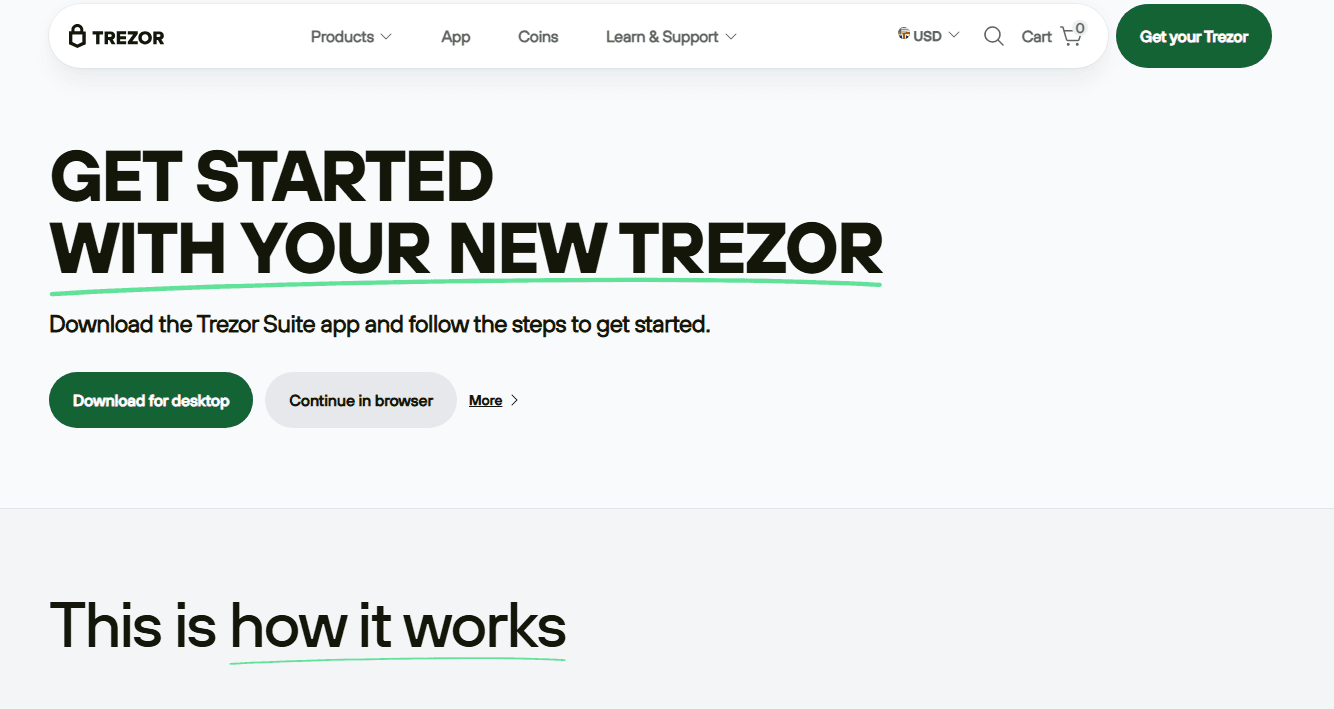
Trezor Login: A Complete Guide to Accessing Your Crypto Wallet
Cryptocurrency security is a top priority for anyone holding digital assets. Among the most trusted solutions is Trezor, a hardware wallet that ensures your private keys never leave the device. Logging into your Trezor wallet may seem straightforward, but understanding the process thoroughly is crucial for security and convenience. This guide will walk you through everything you need to know about Trezor login.
What is Trezor?
Trezor is a hardware wallet developed by SatoshiLabs that provides secure storage for cryptocurrencies. Unlike software wallets, Trezor stores private keys offline, minimizing the risk of hacks. It supports a wide range of cryptocurrencies, including Bitcoin, Ethereum, and numerous altcoins.
The device itself looks like a small USB gadget with a screen and buttons. When paired with the Trezor Suite software or compatible web interfaces, it allows you to manage and transact cryptocurrencies securely.
Why Login Security Matters
Accessing your Trezor wallet requires more than just plugging it into your computer. Your login credentials and device security protect your funds from unauthorized access. Unlike online exchanges, Trezor does not store your private keys on a central server. This decentralization provides maximum security but also places the responsibility on you to log in safely.
A secure Trezor login ensures:
Protection from hacking attempts
Safe access to your cryptocurrencies
Confidential management of your assets
Methods to Log into Trezor
There are multiple ways to access your Trezor wallet depending on your device and preferences:
1. Using Trezor Suite
Trezor Suite is the official desktop and web application for managing your wallet. To log in:
Install Trezor Suite on your computer or access the web version.
Connect your Trezor device via USB.
Enter your PIN on the device.
Access your wallet and manage cryptocurrencies.
The Trezor Suite provides features like portfolio management, transaction history, and crypto exchange integration.
2. Using a Web Wallet (Trezor Bridge)
Trezor Bridge is a browser extension that allows your Trezor device to communicate with websites securely. Steps for login:
Install Trezor Bridge on your system.
Connect your Trezor to the computer.
Visit a supported web wallet interface such as MyCrypto or Trezor Wallet.
Follow the on-screen prompts to confirm the connection and enter your PIN.
3. Using Third-Party Wallets
Some third-party wallets, like Exodus or Electrum, support Trezor devices. To log in through these:
Open the compatible wallet app.
Select Trezor as the device option.
Connect your hardware wallet and enter your PIN.
Access and manage your assets through the third-party interface.
Step-by-Step Trezor Login Process
To provide clarity, here’s a simple step-by-step guide for logging into your Trezor wallet:
Connect Trezor to Your Device: Use the supplied USB cable to connect your Trezor hardware wallet to your computer.
Open Trezor Suite or a Compatible Wallet: Ensure you are using the official app or a trusted third-party wallet.
Enter PIN on Device: Your Trezor device will prompt you for a PIN, which is unique to your device and known only to you.
Confirm Login on Screen: Depending on your app, you may need to confirm access on your device screen.
Access Wallet Dashboard: Once confirmed, you can view balances, send/receive crypto, and manage settings securely.
Common Login Issues and Solutions
Even with a secure system like Trezor, login issues can occur. Here are some common problems and solutions:
Device Not Recognized: Ensure Trezor Bridge is installed and your USB cable is functional. Try another USB port.
Forgot PIN: Trezor does not allow PIN recovery. Use your recovery seed to reset the device and create a new PIN.
Browser Issues: Ensure your browser is up to date. Clear cache or try a different browser if login fails.
Recovery Seed Errors: Always enter your 24-word seed accurately. Any mistake can prevent access to your wallet.
Tips for a Secure Trezor Login
Always use official software: Only log in through Trezor Suite or verified third-party apps.
Avoid public Wi-Fi: Public networks can be unsafe for crypto transactions.
Regularly update firmware: Keep your Trezor device and Suite app up to date to prevent vulnerabilities.
Secure your recovery seed: Never share it. Treat it like cash.
Conclusion
Logging into your Trezor wallet is straightforward, but it demands attention to detail for security. Whether using Trezor Suite, Trezor Bridge, or third-party wallets, the login process ensures that your private keys remain safe. By following best practices, addressing common issues promptly, and securing your PIN and recovery seed, you can confidently manage your cryptocurrency with peace of mind.
Trezor login is more than just access—it’s the gateway to secure, decentralized control over your digital assets. Taking the time to understand the process ensures both safety and convenience in your crypto journey.